You know, in today’s fast-changing maritime world, having precise and reliable navigation tools is more important than ever. The Marine Inertial Navigation System, especially those that use fiber optic gyroscopes (FOG), has really become a must-have to keep ships on track and safe. I recently read that the global market for inertial navigation systems is expected to hit around USD 12.22 billion by 2026, growing at a steady 9% annually from 2021 to 2026. That just shows how much everyone’s more and more depending on advanced tech for marine navigation. Now, if we’re talking pioneers in this space,
Poseidon International Group out of Hong Kong has been a real trailblazer since they started back in 2013. They focus on researching, designing, and making these innovative navigation systems all on their own. They’ve even got multiple patents under their belt, which really speaks to their dedication to quality. It seems like they’re well set to keep meeting the growing global demand for top-notch marine tech.

Identifying the Key Features of Marine Inertial Navigation Systems
When you're looking for top-notch suppliers for marine inertial navigation systems, it’s really important to get a good handle on what makes these systems stand out. Tech has come a long way, and now there are all sorts of components like accelerometers and gyroscopes that play a big role in how well the system performs. Plus, smart algorithms and powerful processors make a difference when it comes to accuracy and dependability. As the market keeps changing, you’ll want to choose systems that can handle external hiccups—things like GNSS signal disruptions—since those are happening more often these days.
Oh, and here’s a little tip: consider going for a hybrid setup. Combining traditional inertial navigation with newer tech like optical gyroscopes can really boost both resilience and pinpoint accuracy, especially in places where signals might be spotty or unreliable.
Also, it’s worth thinking about how well the system plays with different applications—whether it’s for commercial shipping or military missions. Knowing what your specific needs are will help you pick a supplier that offers solutions tailored just for you. And keep an eye on the latest advancements—staying in the loop on new tech is key to making smart, informed decisions about your navigation systems.
Your Ultimate Guide to Selecting Top-Quality Suppliers for Marine Inertial Navigation Systems
| Feature |
Importance |
Specifications |
Testing Standards |
| Accuracy |
Critical for navigation precision |
|
ISO 9001, MIL-STD-810 |
| Environmental Resistance |
Ensures reliable operation in harsh conditions |
IP68 rating, operational temp: -40°C to +70°C |
MIL-STD-810G |
| Size and Weight |
Impact on installation and vessel stability |
|
N/A |
| Integration Capability |
Ease of integration with existing systems |
Supports NMEA 0183 and NMEA 2000 |
Manufacturer guidelines |
| Cost-effectiveness |
Overall value for investment |
Competitive pricing within the market |
Market analysis reports |
Understanding the Importance of Supplier Reputation in the Industry
Picking out top-notch suppliers is honestly a big deal when you're dealing with marine inertial navigation systems. These systems are super precise, and you’ve got to rely on your partners to keep things running smoothly. You really can’t overstate how important a good reputation is—especially now, as more players in the industry are focusing on teaming up with folks they can trust. I read a report recently that showed suppliers with solid track records help cut down the risks of supply chain hiccups. In fact, over 70% of companies faced major delays last year because of issues with their suppliers—that really drives home why choosing reputable partners matters.
And as the marine world keeps evolving, it’s becoming clear that having smart tools to assess suppliers is more important than ever. Experts keep telling us that using AI-powered procurement systems can give companies better insight into who they’re dealing with—makes risk assessment a whole lot easier. One study even found that businesses using advanced risk management tools cut their operational risks by about 30%. So, focusing on supplier reputation isn’t just about avoiding headaches; it’s about building strong, long-lasting partnerships that fuel innovation and help everyone stay ahead in this challenging industry.
Your Ultimate Guide to Selecting Top-Quality Suppliers for Marine Inertial Navigation Systems
Evaluating Supplier Quality: Certifications and Standards to Look For
Picking the right supplier for marine inertial navigation systems really isn’t something to take lightly. It’s super important if you want reliable performance in tough maritime conditions. A good starting point is to check out their certifications and see if they follow industry standards. For instance, if they’re ISO 9001 certified, that’s generally a good sign they’re serious about quality management. And don’t forget to look for specialized marine certifications like ABS or DNV-GL — those can tell you they’re experienced in handling the kind of demanding environments these systems face.
Pro tip: Always make sure to double-check that these certifications are legit by contacting the issuing bodies. It might seem like a small step, but it can save you from headaches down the road if someone’s Faking it.
Also, you want to see if they’re up-to-date with international standards related to inertial navigation. For example, if their systems are meant for safety-critical tasks, they really should comply with IEC 61508 for functional safety. Working with a supplier that meets these standards isn’t just about product quality — it shows they’ve got a solid history of professionalism and reliability.
Another tip: Don’t be shy about asking for proof — documentation that confirms they comply with those standards. Seeing that they’re transparent about their processes can tell you a lot about their integrity and how serious they are about delivering quality.
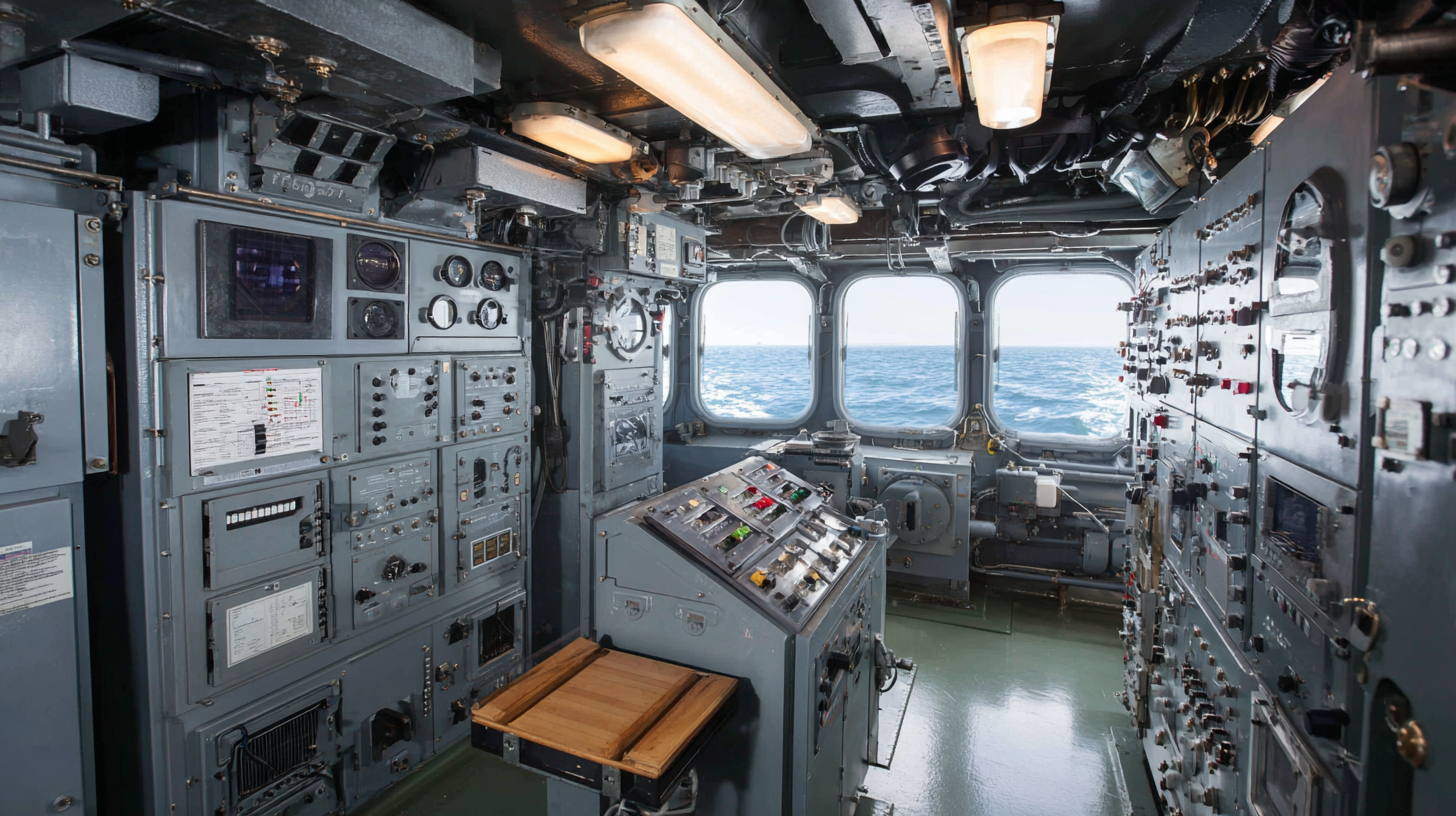
Comparing Pricing Models for Maximum Value Without Compromising Quality
When you're on the hunt for top-notch suppliers for marine inertial navigation systems, it’s really important to get a good grasp of the different pricing models out there. This helps you make sure you’re getting the best bang for your buck without sacrificing quality. A smart move often involves looking at what each supplier charges, comparing these against industry standards, and seeing what kind of value they actually bring to the table. Things like after-sales support, how long their products last, and how adaptable their tech is can really make a difference. Basically, by weighing all these factors, you can find options that deliver solid performance at a price that doesn't blow your budget.
Pro tip: Ask potential suppliers for detailed proposals that clearly lay out their pricing strategies. Having that transparency makes it way easier to compare and spot which ones are offering real value. Also, don’t hesitate to request case studies or customer testimonials — those can give you a real sense of how they handle costs while maintaining quality.
And here's a cool idea: using modern tech, like machine learning, to get a leg up in the supplier game. These tools can analyze tons of data to help you predict price changes and gauge quality trends more accurately — so you’re sure to pick the best systems without overspending.
Another tip: Dive into their historical data using technology. This can reveal patterns in pricing and service quality, giving you insights that not only help you make smarter choices but also boost your negotiating power.
Tips for Building Long-Term Relationships with Your Suppliers
Building strong, long-term relationships with suppliers in the marine inertial navigation systems world is actually pretty crucial if you want to keep things running smoothly with consistent quality and dependability. I mean, industry reports like the one from MarketsandMarkets are already projecting that the marine navigation market could hit over over $2.5 billion by 2025. That just shows how much the demand for reliable suppliers is climbing. So, if you want to stay competitive out there, you’ve got to make the effort to really nurture those key partnerships.
Here’s a couple of tips I swear by:
Tip 1: Keep the communication flowing – staying in touch regularly can make a huge difference. Whether it’s through frequent meetings or quick updates, it helps both sides stay on the same page, align goals, and spot any problems early on before they become big issues.
Tip 2: Work together more closely – don’t be afraid to involve your suppliers from the get-go when you're designing or developing new stuff. Deloitte’s research shows that companies that bring suppliers into the process early end up boosting their innovation by around 40%. When you collaborate like that, you can come up with solutions that really work well for everyone involved.
Building these kinds of relationships isn’t just about getting good products, though. It also builds trust and loyalty, which means better service and more flexibility — especially as market conditions change. Investing time and effort into your supplier relationships can really pay off in the long run, from better quality and lower costs to new ideas and innovations.
Leveraging Technology and Innovation in Your Supplier Selection Process
You know, in the fast-changing world of marine inertial navigation systems, choosing the right suppliers isn’t just about comparing prices anymore. It’s really about blending cutting-edge tech and innovation. Companies are starting to realize that a good supplier evaluation needs to go beyond just looking at costs; it’s about digging into their tech capabilities and how innovative they really are.
Take a look at what’s happening in the auto industry lately—big car manufacturers are teaming up more than ever to boost their tech game, and that definitely influences who they pick as suppliers.
There’s even a recent industry report showing that companies with solid,
tech-focused supplier assessment processes can cut costs by up to
15% and also improve their efficiency. For example, automakers that are using
AI tools to get smarter about their supply chains are leading the way. It just goes to show how important technology is these days when it comes to procurement.
As competition heats up and market needs keep changing, those firms that focus on these
innovative ways to pick suppliers are probably gonna have a pretty big edge in the
marine inertial navigation scene.
Exploring the Future of Micro Electro Mechanical Systems: Insights from the Latest Industry Reports and Trends
As we delve into the future of Micro Electro Mechanical Systems (MEMS), the latest industry reports reveal groundbreaking trends that are reshaping our understanding of navigation technologies. MEMS navigation products are becoming increasingly critical in various applications, from autonomous vehicles to handheld devices, thanks to their improved performance metrics. With remarkable heading and attitude accuracy of just 0.1°, these systems promise to enhance precision in navigation, a vital aspect for industries that depend on accurate geolocation.
One of the standout features of contemporary MEMS navigation products is their compact size and lightweight design. These qualities not only facilitate ease of integration into diverse applications but also make them ideal for portable devices where space and weight constraints are paramount. As we explore the potential of these innovative systems, it is clear that the future of navigation technology lies in harnessing the capabilities of MEMS. The industry is poised for expansion, and as advancements continue, we can expect to see even more refined solutions that cater to the growing demands of the market.
FAQS
: Key features to consider include the quality of components like accelerometers and gyroscopes, the use of sophisticated algorithms for enhanced accuracy, and resilience against GNSS disruptions.
A hybrid solution combines traditional inertial navigation with newer technologies, such as optical gyroscopes, providing greater resilience and accuracy in environments with compromised signal reception.
Assess compatibility with various end-user applications and select a supplier that offers customized solutions tailored to the unique requirements of your operations.
Supplier reputation is crucial for ensuring precision and reliability, as trustworthy providers significantly reduce the risks associated with supply chain disruptions.
Research indicates that over 70% of companies experienced significant delays due to supplier-related issues last year.
AI-driven procurement solutions enhance visibility into supplier reputations, allowing companies to conduct comprehensive risk assessments and improve operational resilience.
Companies utilizing advanced supplier risk management frameworks experienced a 30% reduction in operational risks, fostering successful long-term partnerships.
Staying updated on the latest advancements is key for making informed decisions when selecting a marine inertial navigation system and its suppliers.
Engaging with reputable suppliers strengthens operational resilience and fosters innovation, leading to overall operational excellence in the marine sector.

 TBSD60
 BSD120
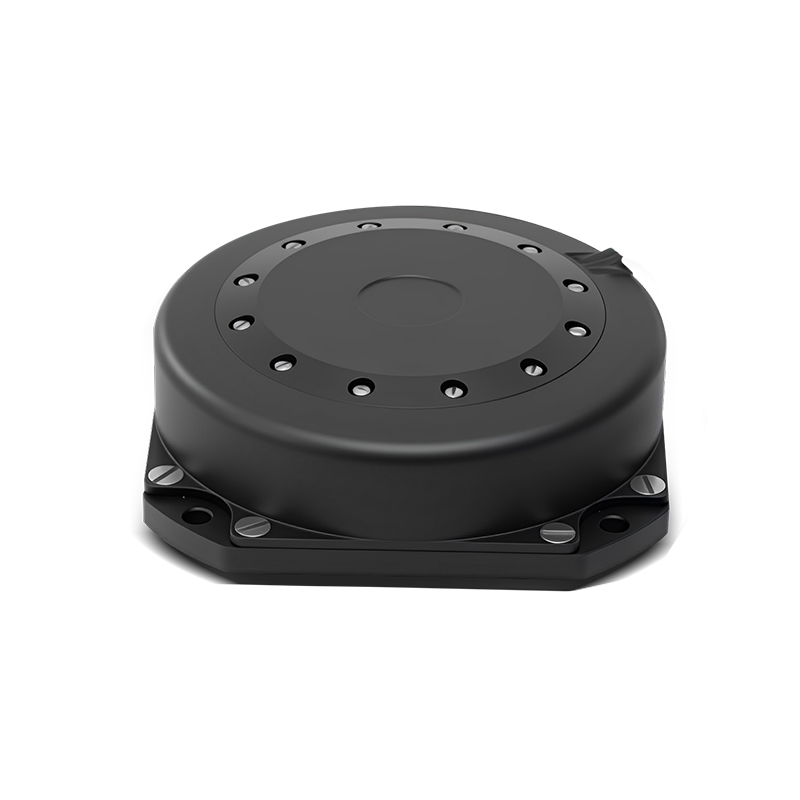 BSD98
BSD98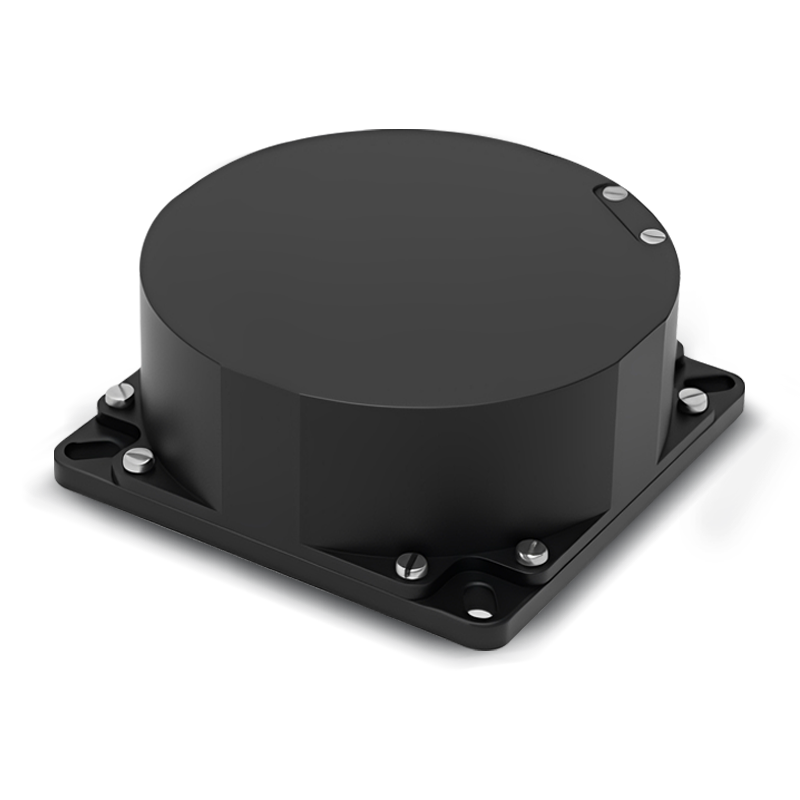 BSD70
BSD70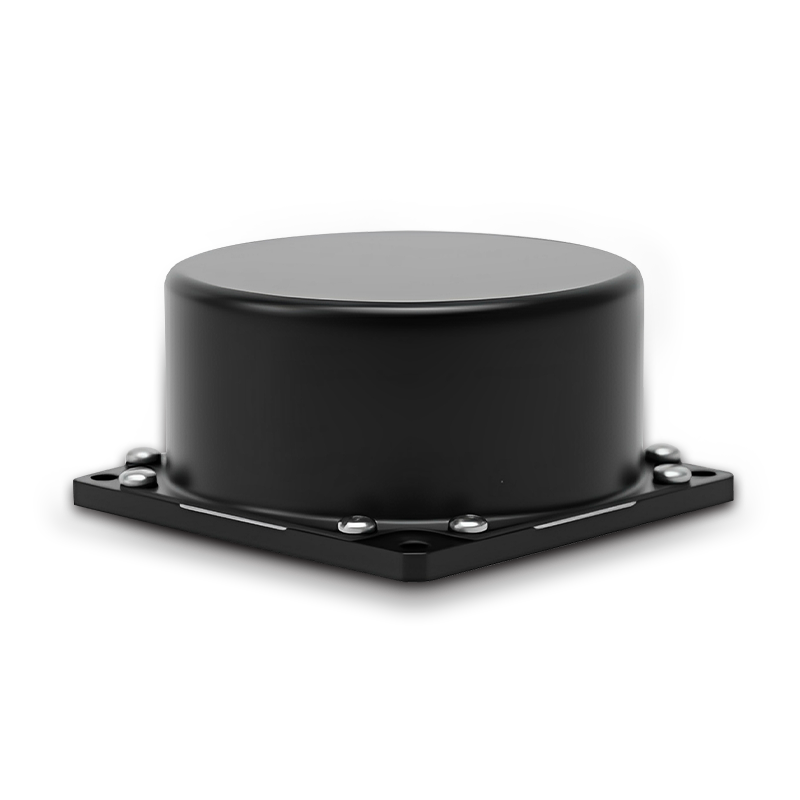 BSD60
BSD60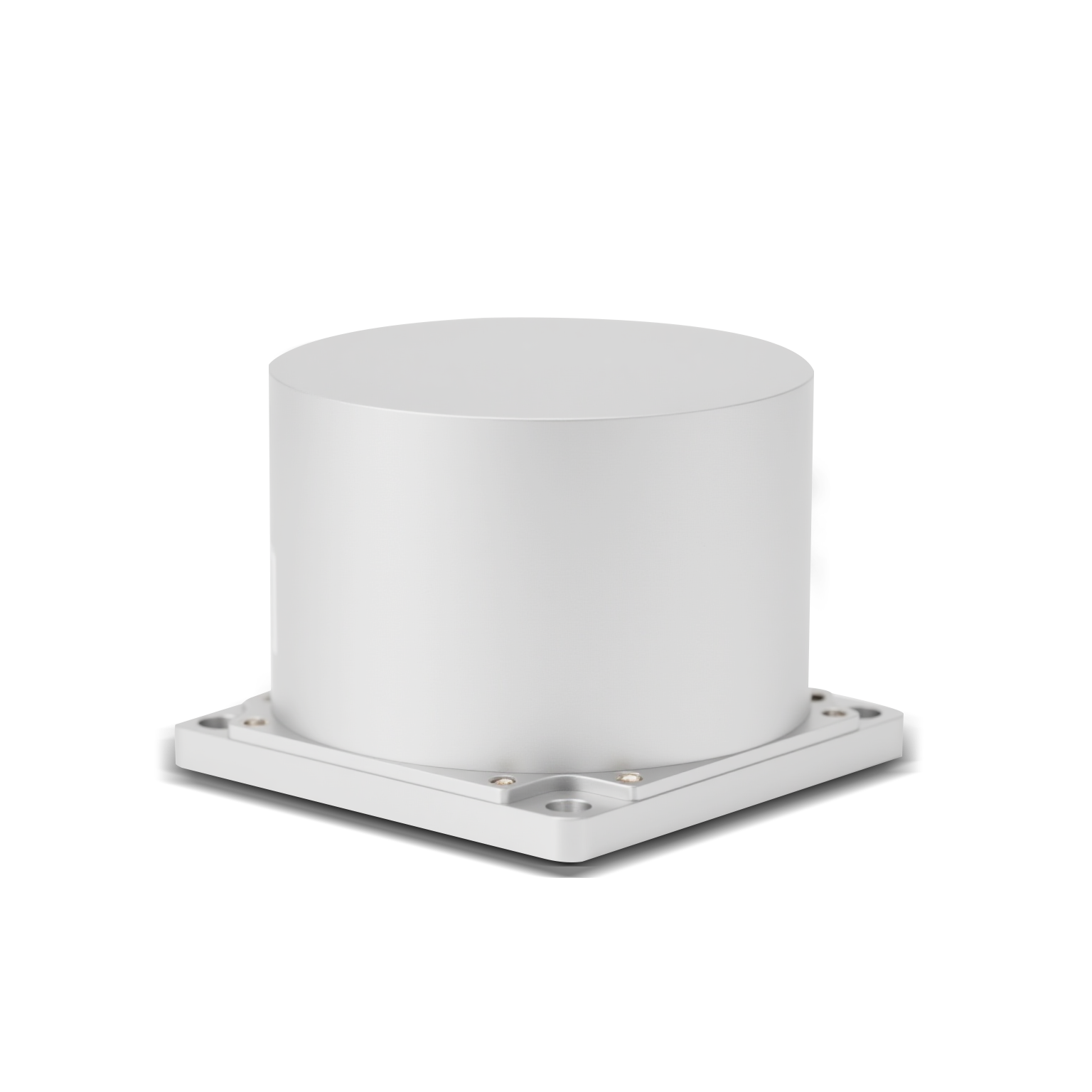 BSD50
BSD50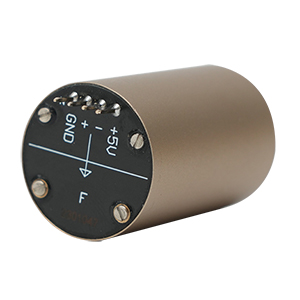 BSD217
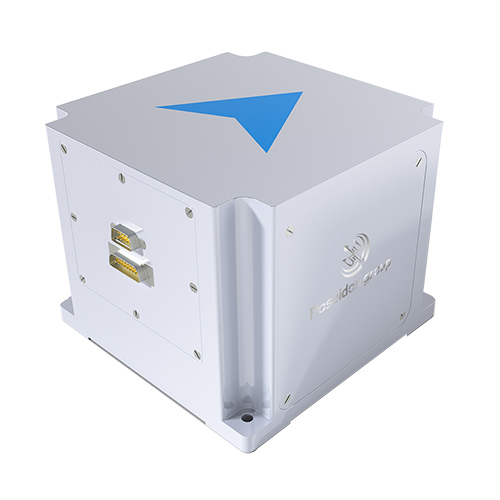 INS1700
 INS970
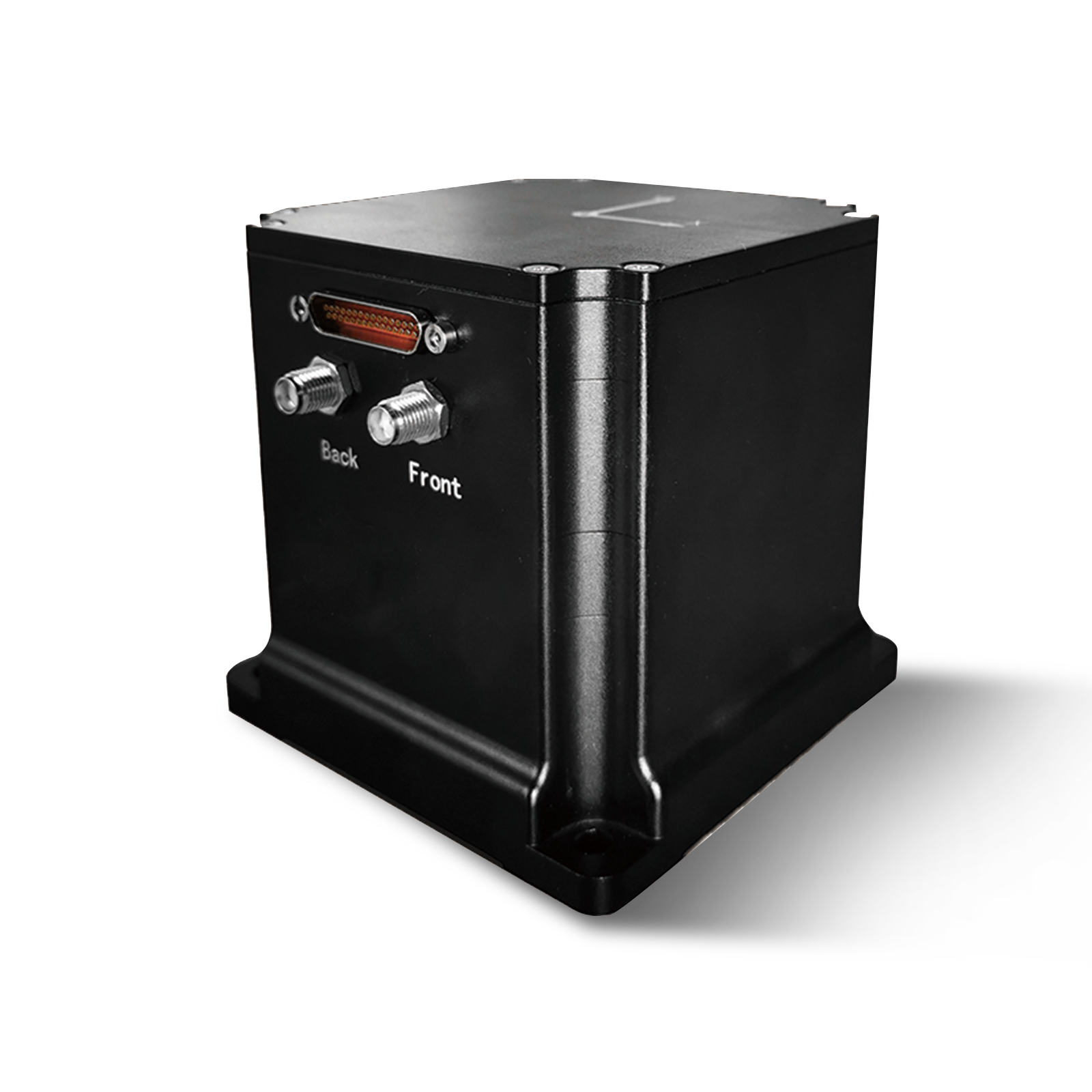 INS570
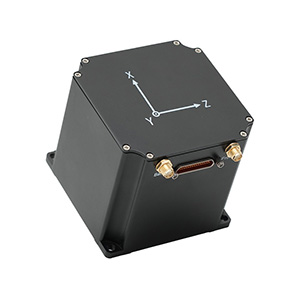 INS170
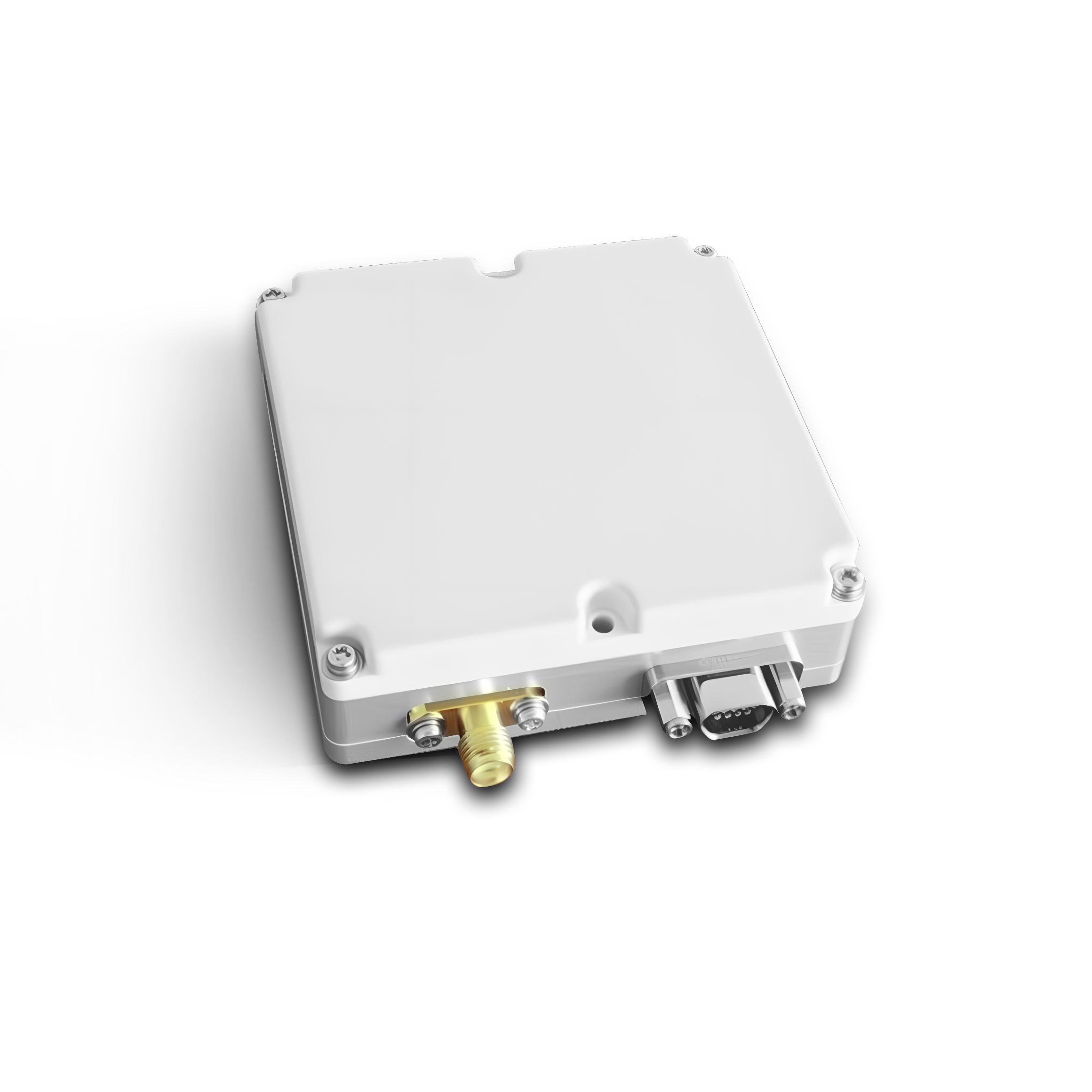 SLA-4B1L1-65
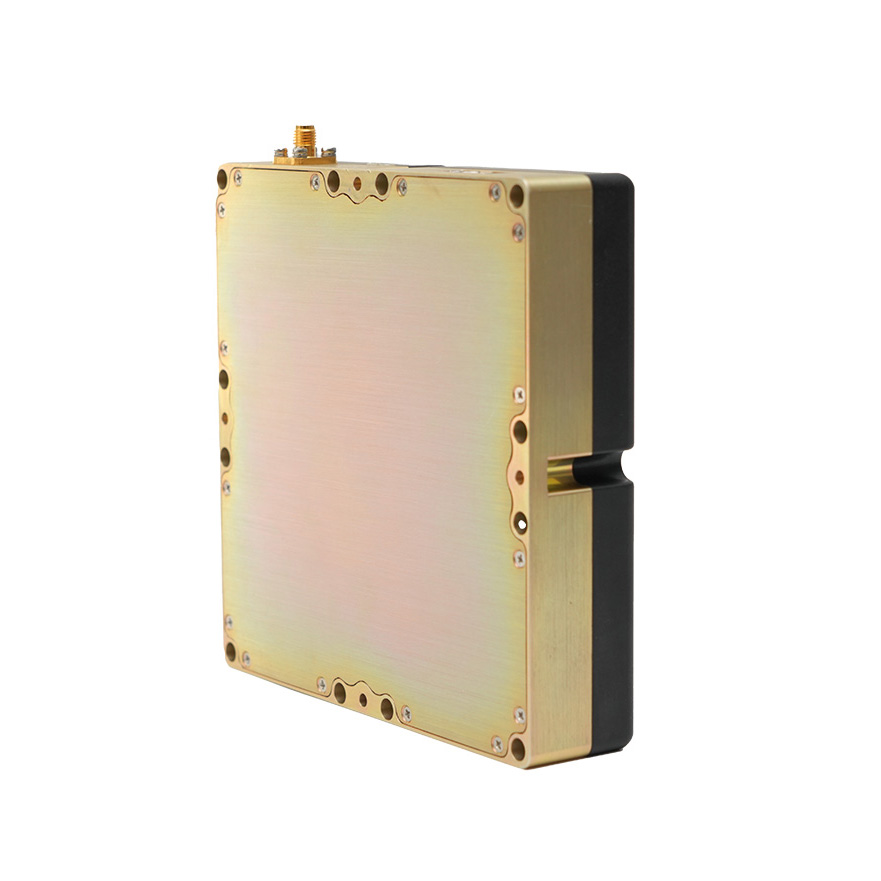 SLA-4B1L1-130
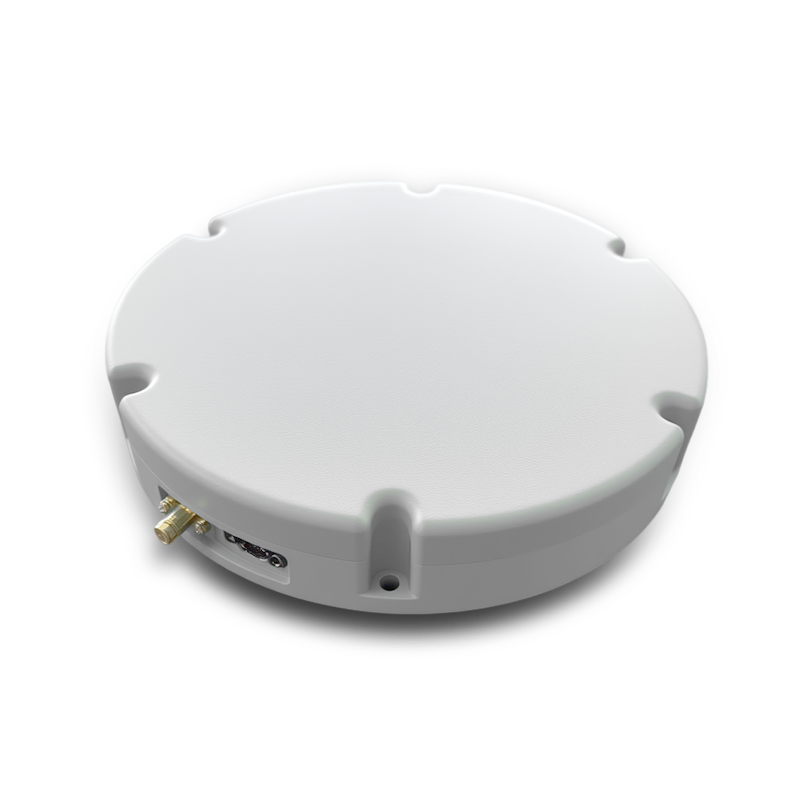 SLA-8B1L1-165
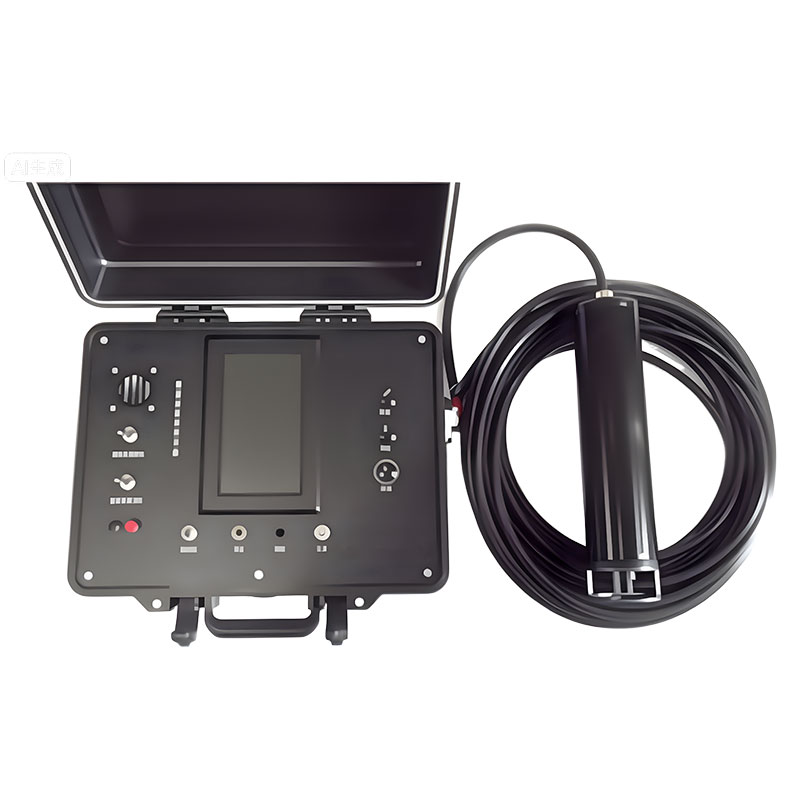 DIVER 101
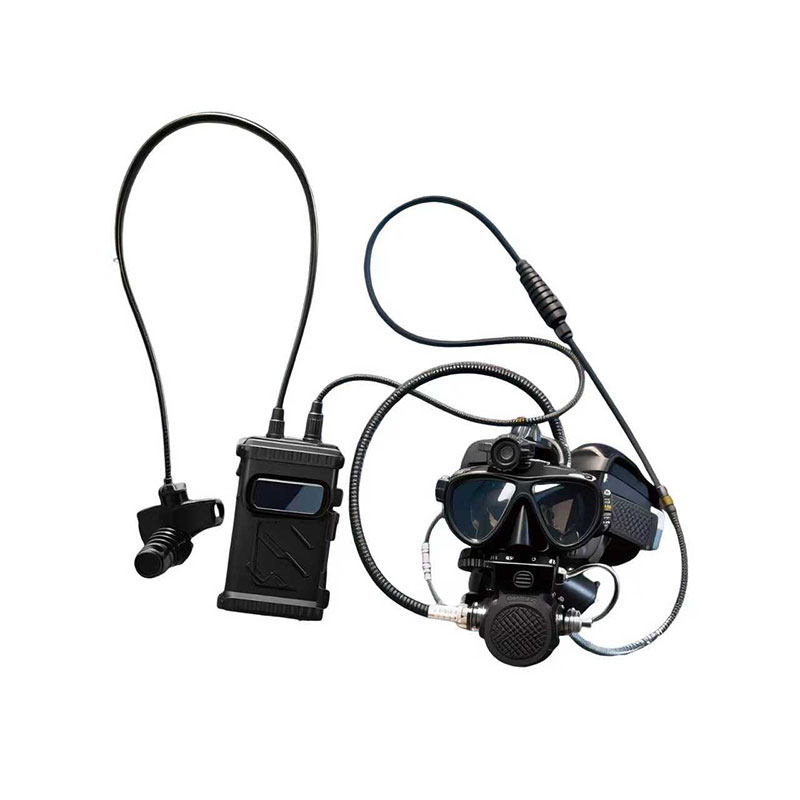 DIVER 102
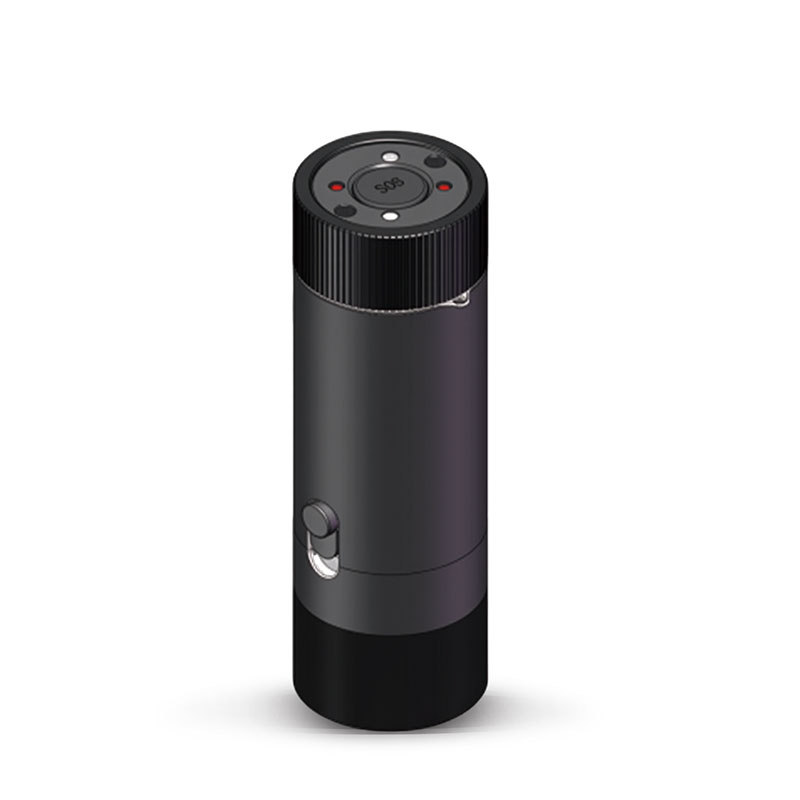 DIVER 103
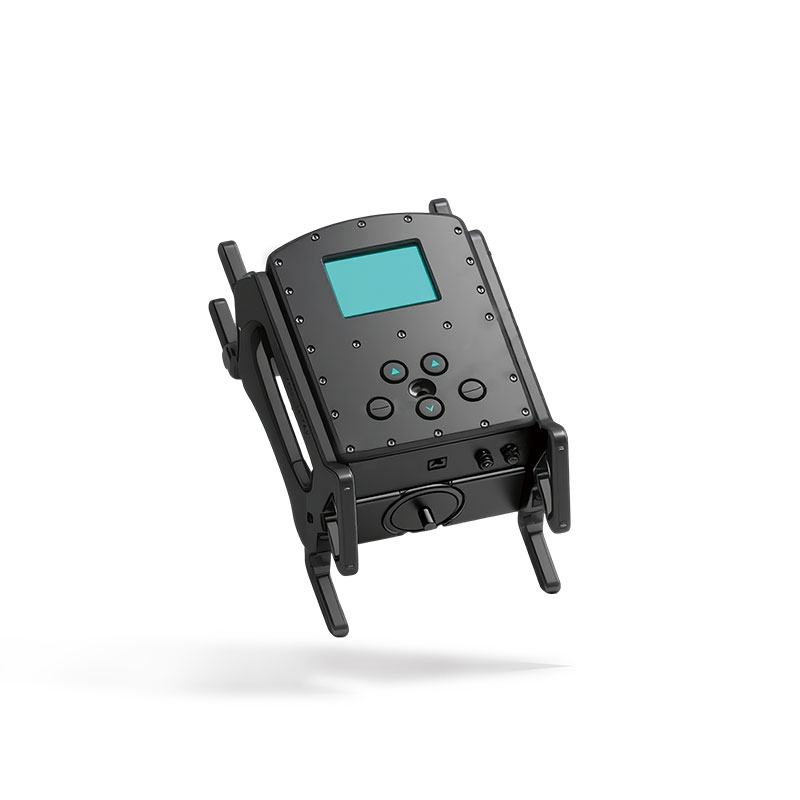 DIVER 104
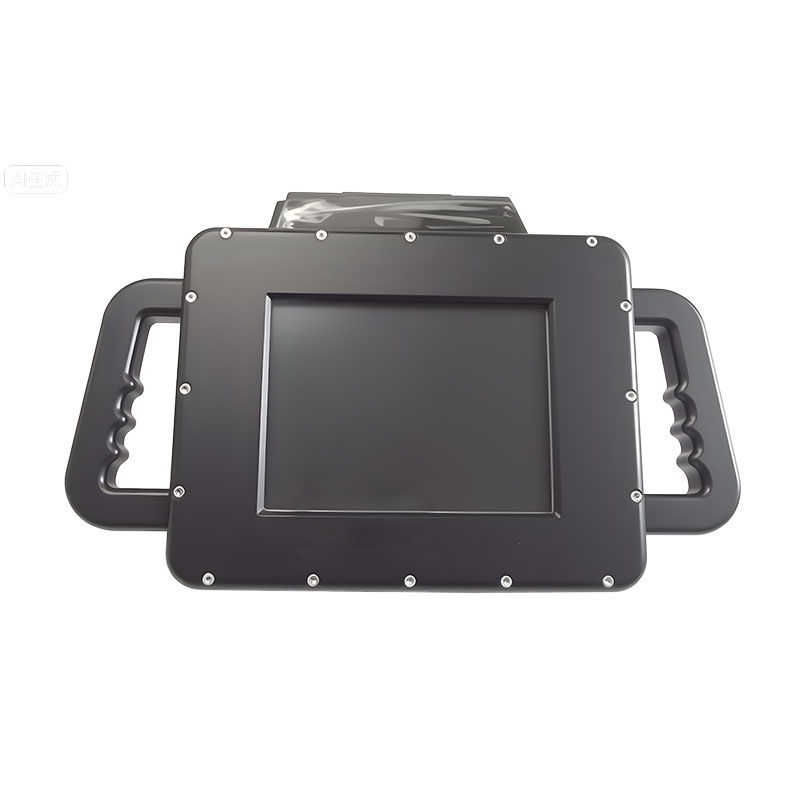 DIVER 105
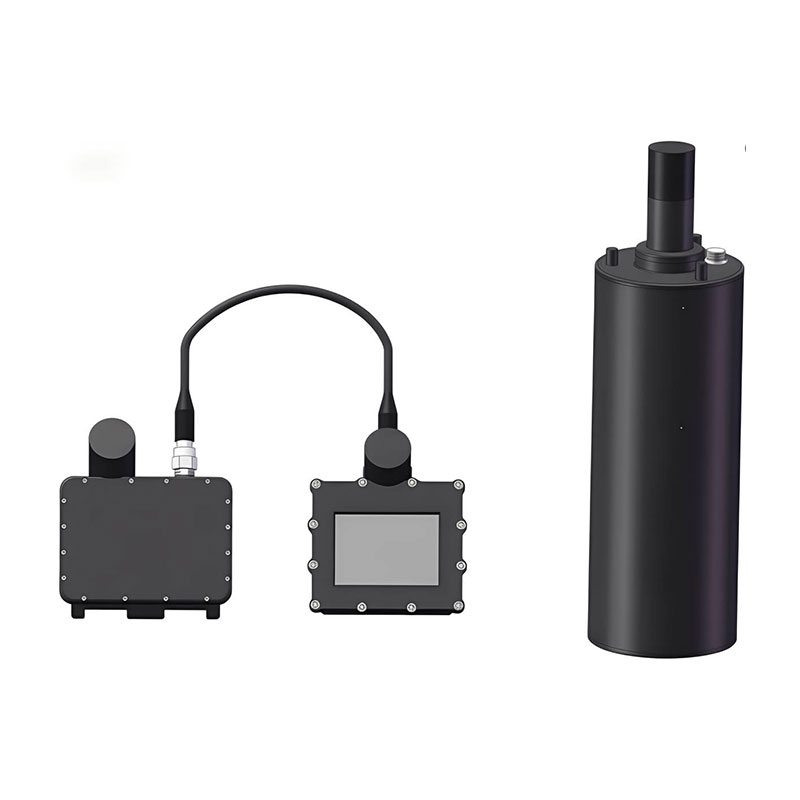 DIVER 106
 SLLR3000
 SLLR905
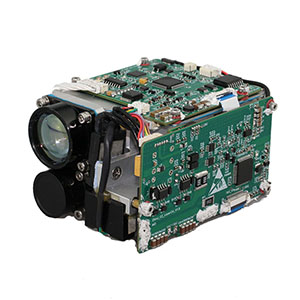 SLLD25
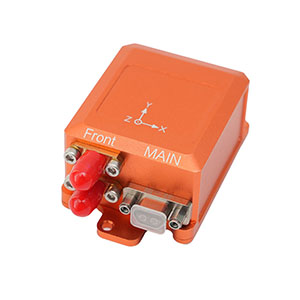 160M
160M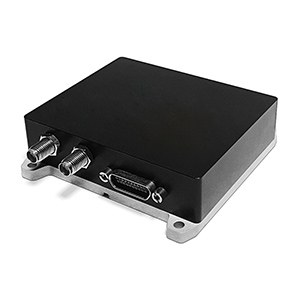 170M
170M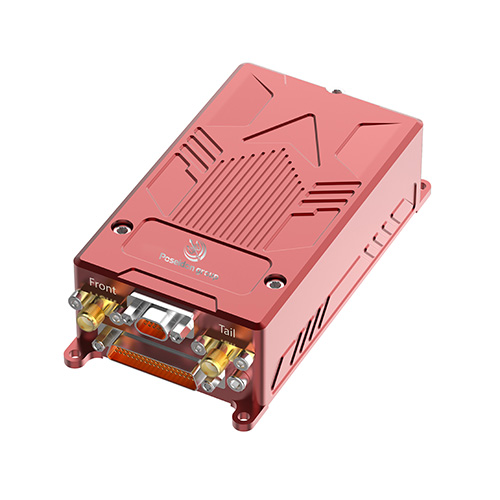 SLFC-70
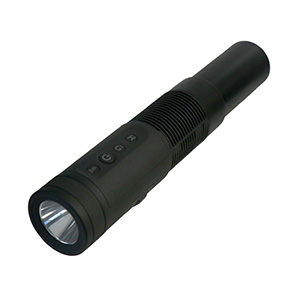 SLAF280
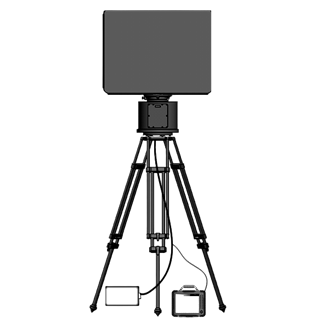 MR360
MR360